

The rudest question to ask I find when you meet someone is no longer How old are you? or What is your age? People generally don’t ask that anymore in our modern society. Now I find that the rudest question to ask is What do you do?
In my last post, I wrote about meeting new people at concerts. Generally at some point (and I am sometimes guilty of this too) somebody will say something along the lines of “So…. what do you do?” Keep in mind that we’re at a concert. This is not a business meeting, or networking event.
The more I thought about it, the more I find it kind of irrelevant to the atmosphere. I start to think other things when the other person asks these questions to myself: Are they just using me for connections? , Do they want to try to figure out how much money I make? or Would a certain answer make them not want to be my friend? The question is particularly rude if the person on the receiving end was jobless, unsure of future prospects or just hate their jobs.
Why can’t we instead be talking about the bands about to go on stage, or other most memorable music moments. Why is what we do (professionally) in our lives so important?
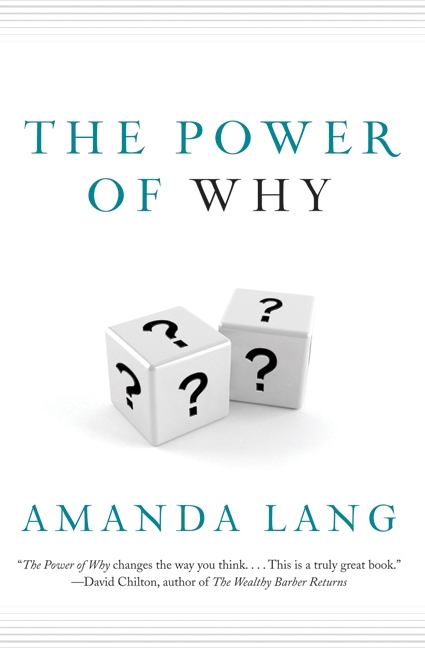
 she demonstrates the importance of asking questions. She uses what is called the ctrl + alt + del method of thinking without boundaries set by what we think we already know. The book has some cool examples of inventions such as the Soccket and the Saw Stop that were developed because their inventors failed to believe that it was impossible. Instead they asked “Why not?” and found out ways around it.
 Tiana Feng