The Happiness Project

thehappinessproject
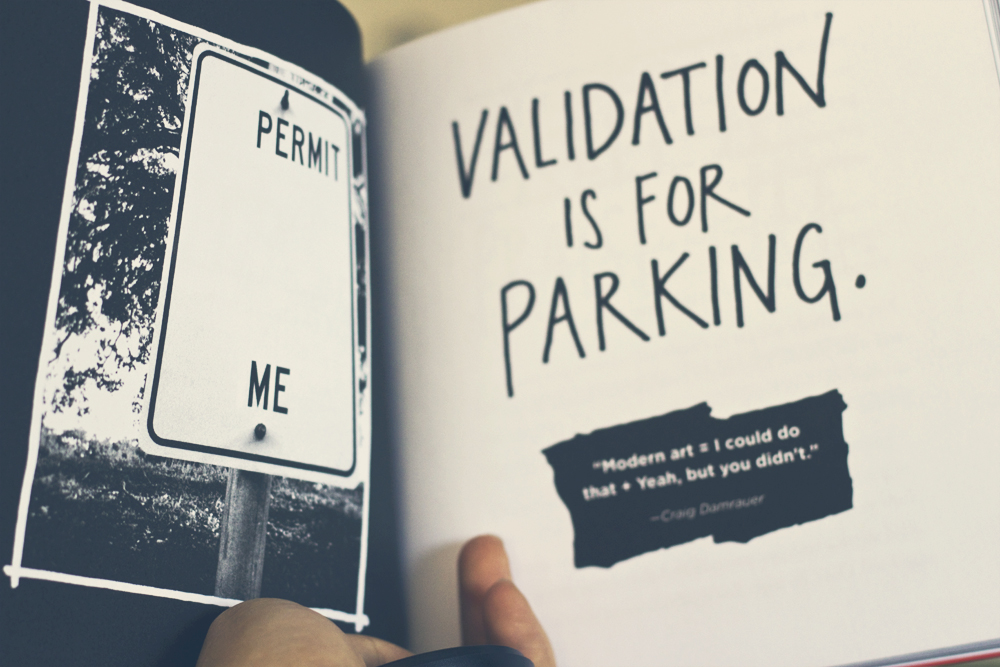
I recently read through Gretchen Rubin’s The Happiness Project and enjoyed her journey in the pursuit for happiness. The different chapters reflected the months of the years and the many challenges she added each month. I read a month a day so that I’d have time for some of it to sink in instead of a marathon read through the entire thing. I enjoyed the way it wasn’t written in a how-to-way but instead chronicled Rubin’s own journey in hopes that someone might find their own inspiration in her examples. Like the author of the book, I am not depressed or anything but it’s always interesting to look at what someone else has done to improve their quality of life and be happier.

Here a few of my favourite points:

  1. “You can choose what you do; you can’t choose what you like to do”
  2. “Act the way you want to feel”
  3. “Be Tiana”

Numbers one and three are most likely to collide with each other. In fact a lot about being happy has to do with understanding your own desires. When I was younger and started blogging, I wanted to be a fashion/make-up blogger turned socialite type deal. But that wasn’t really me. In fact I don’t really care that much about fashion. My passion was music, and that’s where it led me today. Other things I don’t like include history and geography and no matter how hard I try, I’ll never find any joy in being immersed in it. It’s important when you are making decisions to consider if you’re making them for yourself or because you think that’s what you’re supposed to do.

In reading this book, I began thinking a lot of my own happiness. Appreciating the joys in life rather than the terrible moments is ideal for a good quality of life. I know this simply from observing my dog running around the yard in circles. Something stupid, that is bound to make me laugh. Laughing out loud is important and in this fast-moving world, it’s easy to forget that and let life past by in a flash.
We Remember The Sound Of Our Keys

keys

People are able to distinguish between songs through earworms. However, there’s also a whole world of sounds and soundscapes we are exposed to on a daily basis. In Murray Schafer’s A Sound Education, he explores these every day sounds through 100 exploratory exercises.

asoundeducation

I had the pleasure of meeting Schafer in my third year of University. Our class delved into a few of these personally with Schafer. The most memorable was this particular exercise involving keys. A group of five people put their keys into a pile. Schafer then jingled all of the keys behind their backs and asked the participants to identify their own. Everybody had the right keys.

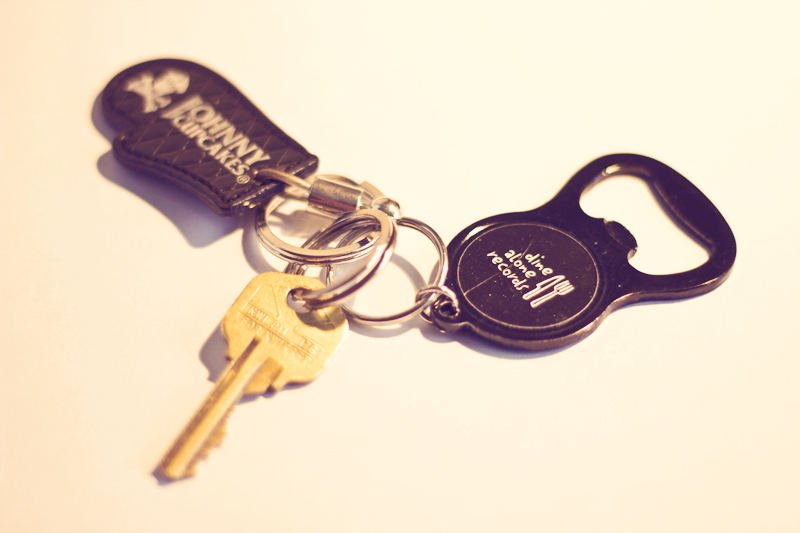
The sound of our keys is not something we really think about but we hold them every day, listen to them jingle in our bags and pockets as we look for them and open our doors. Personally, my keys are pretty boring. I don’t own a car or a bike so I only have one key on my chain with a Dine Alone beer opener and a Johnny Cupcakes oven mitt. Instead of nice jingling, I hear simple clanking.

What do your keys sound like? I dare you to try this exercise with a few of your friends and I’m sure they will guess the right keys!

Side note: This book  seems to be hard to find, so if any of my Toronto friends want to borrow this I have a hard copy!

The Power of Why

thepowerofwhyAs adults, we have grown up thinking that questioning the norm is faux-pas. As a child we go through school systems where the one that asks the most questions is usually the most annoying kid. The one with the bad grades. We have learnt to spew out the right answers for good grades without much questions. It’s the way we’re taught, to get all As in order to get into a university, get a job etc. This creates generations of people who forget how to be curious.

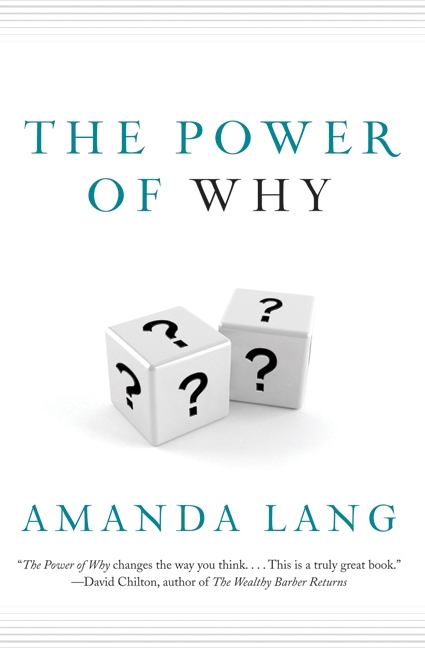
In Amanda Lang’s The Power Of Why she demonstrates the importance of asking questions. She uses what is called the ctrl + alt + del method of thinking without boundaries set by what we think we already know. The book has some cool examples of inventions such as the Soccket and the Saw Stop that were developed because their inventors failed to believe that it was impossible. Instead they asked “Why not?” and found out ways around it.

I was one of those people who didn’t really question much in school but I grew more curious after reading this book. It’s a good read for people who want to learn how to be more innovative or look at the world a little differently. Every once in a while, we should remember what is like to be that 3 year old kid who can’t stop asking Why?.

A Year Without Limitations

20130101-174805.jpg
Happy New Year! Last year was a blast, and I learnt a lot from it. This year, I decided that I will not make any resolutions or set any strange time-sensitive challenges. Last year on my birthday I wrote a list of 25 Things to Do Before I’m 25 but they were completely unrealistic goals in a year that has proven to be one of my busiest. Most of those things individually would have probably taken a year to do so and being completely unemployed in the process. Attempting to plow through them made things seem like a must-do task, a chore, rather than something meant to be enjoyable.

This year will be focused on just exploring new adventures as they come. Books are meant to be read and absorbed in their own time. New food experiences stumbled upon sometimes accidentally. Life should not be rushed and that will be the theme for this year. I do promise to share all these things with you and write more posts here!

Being An Imperfect Musician


I played piano today, and I enjoyed it. This was a statement I had not been able to say for a long time.

Over a year ago I had posted about rekindling my love for the instrument, but it never really happened. Life got in the way- or so I thought.

I blamed a lot of not playing on being busy, which I was with various internships. I also pushed the piano aside because Teddy (my precious little puppy) hated the sound and would howl whenever any instrument was played.

Though the above were contributing factors, none of them really explained why I was avoiding the piano. The truth was that in fourth year after a rather disastrous jury, I was tired and frustrated at the piano.

I am a big cognitive science junkie. In Levtin’s book This is Your Brain On Music he talks about how 10,000 hours of practice makes a great musician. I calculated that if I started piano when I was five and averaged about 2 hours a day since then (with the long hours in my advanced years evening out the early years and holidays) that it amounted to something like 12,410 hours. This was approximate number of hours I had spent at a piano from when I was 5 up to the day of my piano jury when I was 22 (I am currently 24).

It was disheartening having put in more than the required 10,000 hours and be far from “perfect”. This anxiety had caused me to be afraid of performing in front of other people. “What if I mess up?” was a constant worry during the hours spent in university practice rooms. The consequence of this unease was more intense practicing and the development of carpel tunnel (which I am happy to say I don’t have any more).

Today I sat at the piano without too much thought about it. I picked up a book of Chopin waltzes and simply started playing. I realized some of my strengths:
1. I am a great sight reader.
2. If I played a song once, my fingers will remember it forever no matter how long it’s been since I last played it.

Though imperfectly, it was nice to be playing again, especially the music of my favourite composer. Now that I am out of school (and finished RCM exams), I don’t have to be playing under the pretense of needing to be perfect or performing for somebody else. I can also explore pieces that excite me and not have to drill them to perfection. I want to continuously enjoy performing for myself. And for me, imperfect is okay.

Just Mobile

20120529-230936.jpg
I am sending my laptop in for a makeover. Although I do have a decrepit backup laptop, I am going to challenge myself to live on just mobile devices for as long as Ursula is still in the shop. Yes, my laptop has a name.

Perhaps this is what the future will be like. I don’t think there is anything my laptop can do that I can’t find a way for one of my devices to. I have a first generation iPad and an iPhone 4S. One day in the not-to-distant future it will only get easier. The biggest challenge will be maintaining my script heavy music blog.

As long as I can blog, all will be merry. I will keep you updated on the journey.

This post was written on an iPad.

Unfolding the Napkin- The Hands-On Method for Solving Complex Problems with Simple Pictures


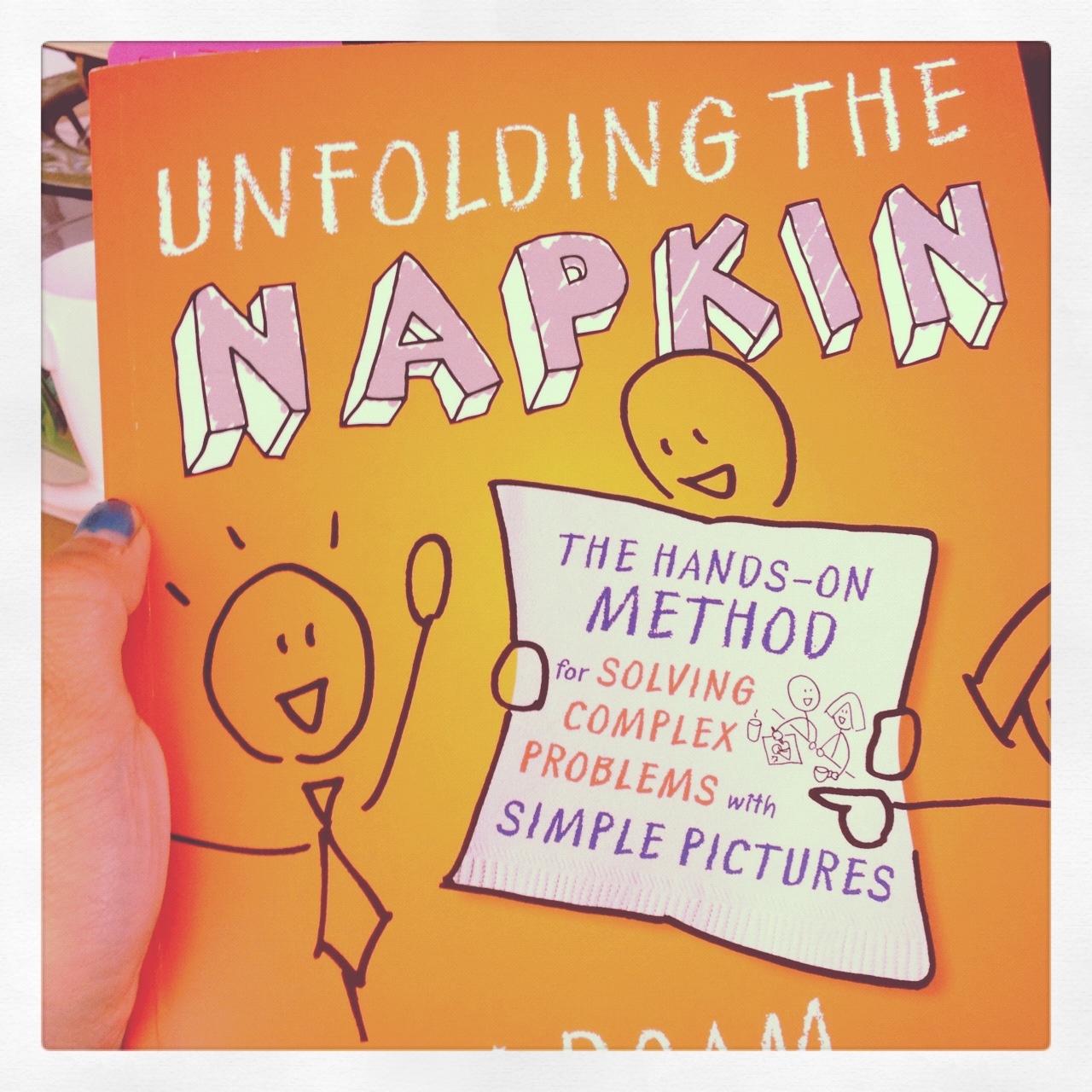
I’ve been intrigued for a while now by Dan Roam’s series of books about visual problem solving. I purchased Unfolding the Napkin: The Hands-On Method for Solving Complex Problems with Simple Pictures, without realizing it is actually the workbook for his first book The Back of the Napkin. However, it doesn’t really matter as it works well as a standalone book.

The book is geared towards business people who want to improve their presentations by including pictures that encourage audience involvement. The techniques are simple enough that they can be used by anybody who want to be a better visual thinker. Unfolding the Napkin is full of fun doodles, exercises and real life examples of where pictures were used to solve a major problem in major corporations. The book is divided into 4 lessons (complete with lunch breaks). The four parts make up the steps of visual thinking: Looking, Seeing, Imagining and Showing. The most helpful section to me was the Imagining section which introduced the SQVID method of thinking. It stood for the different ways of imaging how to solve a problem (although I’m not entirely what the acronym stands for).

SQVID on opening a wine bottle

The book explains how modern day presentations all suck because they are often hundreds of pages of Power Point slides that mean nothing. It also delves into the psychology of how when something is computer generated and perfect, we tend not to question it. In contrast if we doodle an idea or a plan, there is imperfection and people will comment and give feedback. There is definitely truth in that idea, and hey, I like to doodle.

I recommend this book to anybody who makes presentations of any kind and wants to look beyond just Powerpoint. I’ve always been a visual learner and I think I may dive into some more of Dan Roam’s books. I’m especially interested in Blah Blah Blah which is geared more towards personal thinking than the board room. PS. I haven’t stopped on delivering you guys doodletastic posts. More to come soon.

Book marked places to take a lunch :)

A Wallet Full of Stories

I’ve had my wallet since grade 9 and since I’m 24, that was a long long time ago. It’s even had a hole in it for the last 5 years, but I felt no real need to get a new one.

I bought it during a childish and somewhat egotistic phase where I had to had my initials on everything. Tommy Hilfiger coincidentally used the letter “T” in their designs. When I look back at it, it’s pretty bulky and ugly but it held all the tidbits of my life, and would for the next 10 years.

Dad used to have the same tattered wallet for like 20 years (even though we would get him new ones) and I used to make fun of him for it. However, I understand now how hard it can be to let go. What we store in our wallets tells a story of who we are as a person. It’s often why we like to venture into the wallets of others.

Mine had memories of my first kiss, my first tattoo, and trips to china. There were pictures of people who I haven’t spoken to in years and buy-10-get-1-free cards from places I haven’t been to in years. It could probably tell you that I used to have a compulsive shopping phase, and that I like to hoard junk.

Today I got a new wallet as a gift, and I thought it was the perfect chance to start anew.

I was never really into overly girly wallets.

It’s much smaller than my previous wallet, so I couldn’t keep half the things I had in there. I’m not the same person I used to be, and my wallet doesn’t need to reflect that any more. A new story adventure is just beginning!

What’s in your wallet?

You Majored in What?- Not Your Average Career Book


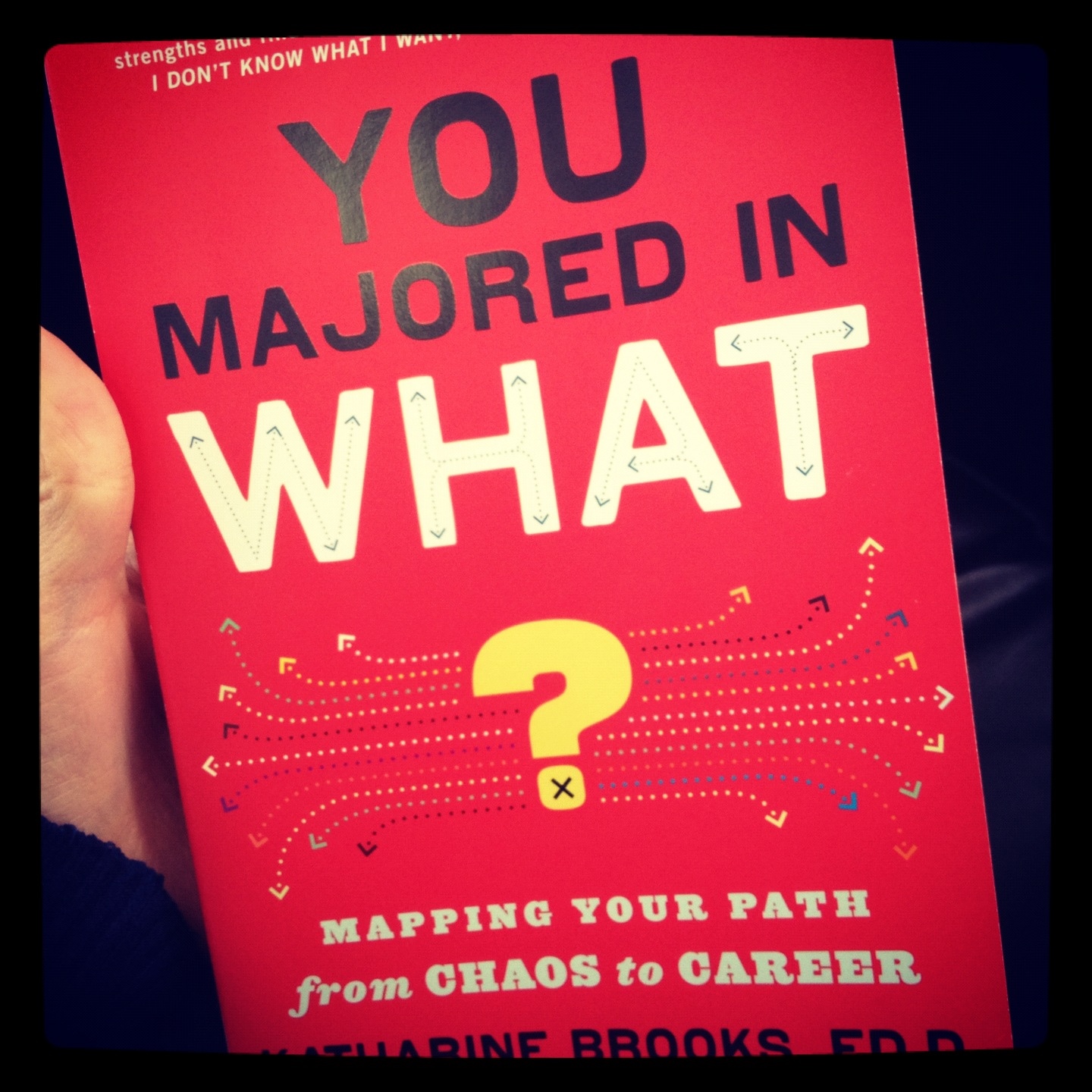
As a recent graduate, the process of finding the right career has been quite scary. I heard of You Majored In What? by Katherine Brooks through my best friend and instantly picked it up. It was a refreshing take on job search in a non-linear matter.

As somebody with a Bachelors of Music as well as a degree in Entertainment Business Management, I thought my path seemed pretty linear. However, this book taught me that there are other ways to think. They implement what is called the chaos theory, and how our experiences in life can bring us elsewhere. As a graduate of something non-traditional, I’m always hit in the face with the question, “So, what are you going to do with that major?” and any career aspirations I have are often ones that are really awkward to explain to people.

You Majored in What? offered great advice on creating my own path and ignore what other people think about where I’m headed. It was a motivating book that taught me how to re-frame experiences into learning opportunities, no matter what they are.

There are some great exercises to discover what your true passions are. I found out that besides music, mine were psychology, social media and visual arts. In addition, there was great advice to interviews, resume writing and crafting your own personal story.

The book gears towards destroying the linear career path way of thinking. For example, just because you majored in engineering, doesn’t mean you have to be an engineer. To anybody who thinks they are stuck in a rut job search wise or even if you want to change your career trajectory, this is a wonderful eye opening book to pick up.

I leave you with this quote:

The only thing we know about the future is that it will be different. – Peter Druker